
FWD vs RWD vs AWD vs 4WD vs 4×4: What’s the Difference and Which Is Right for You?
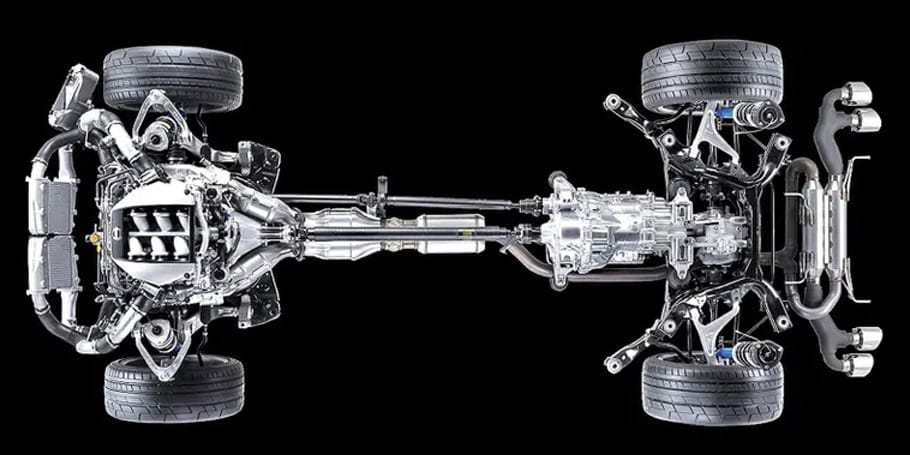
Drivetrain terminology gets confusing fast when you’re shopping for a car or trying to understand your maintenance needs. All of these systems get power to the wheels, just in very different ways — and the difference matters for safety, performance, fuel economy, and repair costs, especially with Lancaster’s variable weather.
Front-Wheel Drive (FWD)
The front wheels handle acceleration, steering, and most of the vehicle’s weight.
- Pros: better fuel efficiency, lower cost to buy and repair, decent traction in rain and light snow, lighter overall weight
- Cons: less performance-oriented handling, can struggle under heavy loads or towing, front components wear faster
Common FWD vehicles: Honda Civic, Toyota Corolla, Hyundai Elantra, Nissan Altima. It’s the most common layout for sedans and compact SUVs, and a practical choice for daily commuting.
Rear-Wheel Drive (RWD)
Power goes to the rear wheels only, while the front wheels focus purely on steering.
- Pros: better weight distribution, sharper handling and acceleration, ideal for towing and performance driving, less steering interference under power
- Cons: reduced traction in snow and ice, typically lower fuel efficiency, requires more careful winter driving
Common RWD vehicles: Ford Mustang, Chevrolet Camaro, many pickup trucks and luxury sedans.
All-Wheel Drive (AWD)
AWD systems automatically distribute power to all four wheels, adjusting traction as needed without any input from the driver.
- Pros: excellent traction in rain, snow, and slippery conditions, improved stability, no need to manually engage anything
- Cons: higher purchase and repair costs, reduced fuel efficiency, more complex drivetrain components
Common AWD vehicles: Subaru Outback, Toyota RAV4 AWD, Honda CR-V AWD, Volvo XC60. AWD is extremely popular in Pennsylvania because of winter weather, but it still requires proper maintenance to hold up.
Four-Wheel Drive (4WD)
4WD lets the driver manually engage power to all four wheels, typically through a transfer case.
- Pros: maximum traction in snow, mud, sand, and off-road terrain, strong towing and hauling capability
- Cons: must be engaged manually, heavier and less fuel-efficient, can damage the drivetrain if used incorrectly on dry pavement
Common 4WD vehicles: Jeep Wrangler, Ford F-150 4WD, Toyota Tacoma 4WD.
What About 4×4?
“4×4” and “4WD” are often used interchangeably. The term simply means 4 wheels total, 4 wheels receiving power. Most vehicles labeled 4×4 are traditional part-time or full-time 4WD systems with low-range gearing for off-road use.
Best Drivetrain for Lancaster, PA
- Daily commuting & fuel savings: FWD
- Performance & towing: RWD
- Year-round traction & winter safety: AWD
- Off-road, snow, or heavy-duty use: 4WD / 4×4
One important note: AWD does not replace good tires — especially in snow and ice. The best traction system in the world can’t make up for worn tread.
Maintenance Differences
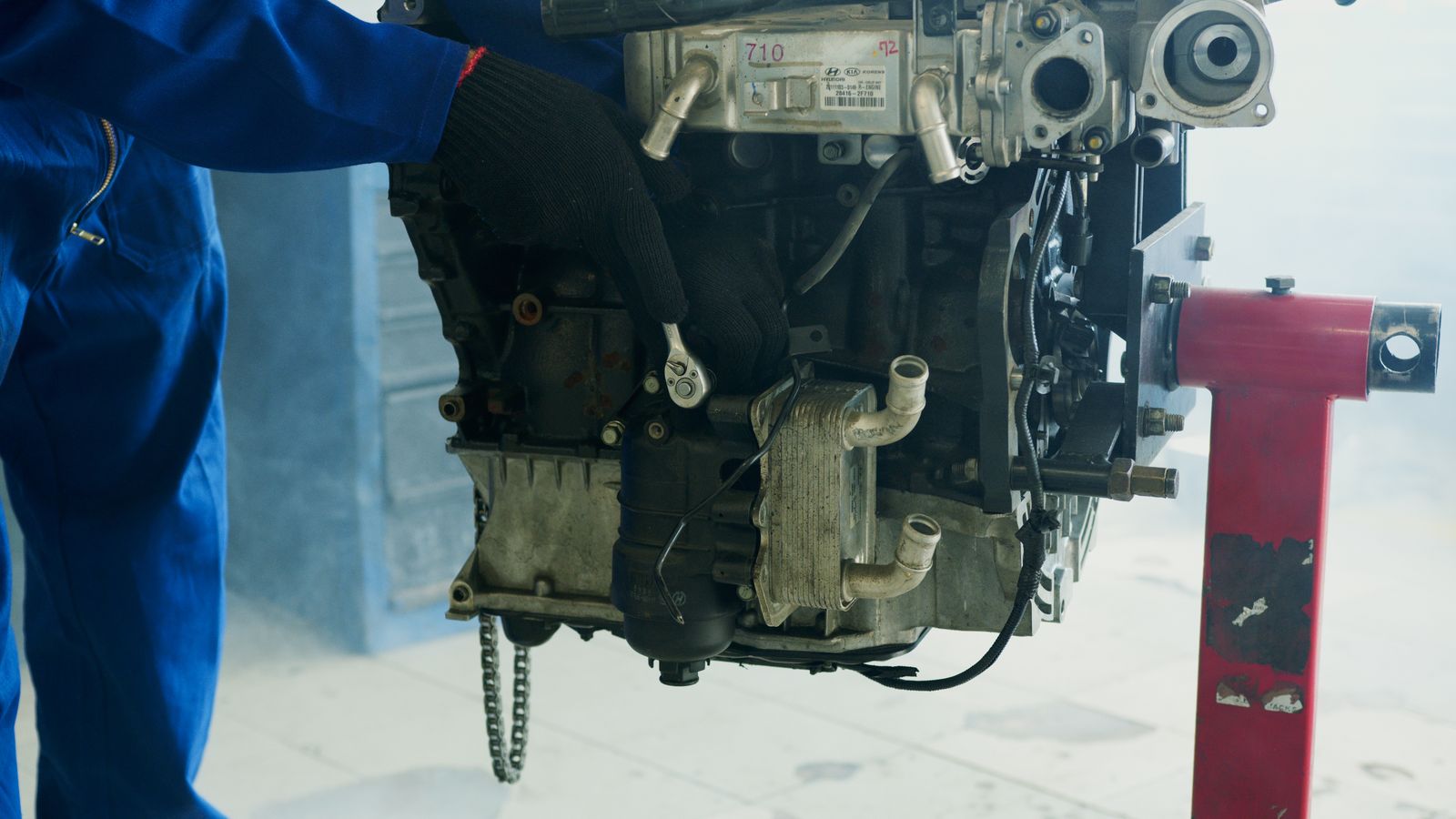
FWD and RWD vehicles have fewer drivetrain components and generally lower repair costs. AWD systems need matching tire tread depths across all four tires, along with differential and transfer-case service. 4WD systems need transfer-case servicing and should only be engaged as intended. Ignoring drivetrain maintenance — especially on AWD or 4WD vehicles — can lead to expensive repairs down the road.