Best Way to Find a Good Local Mechanic Near You
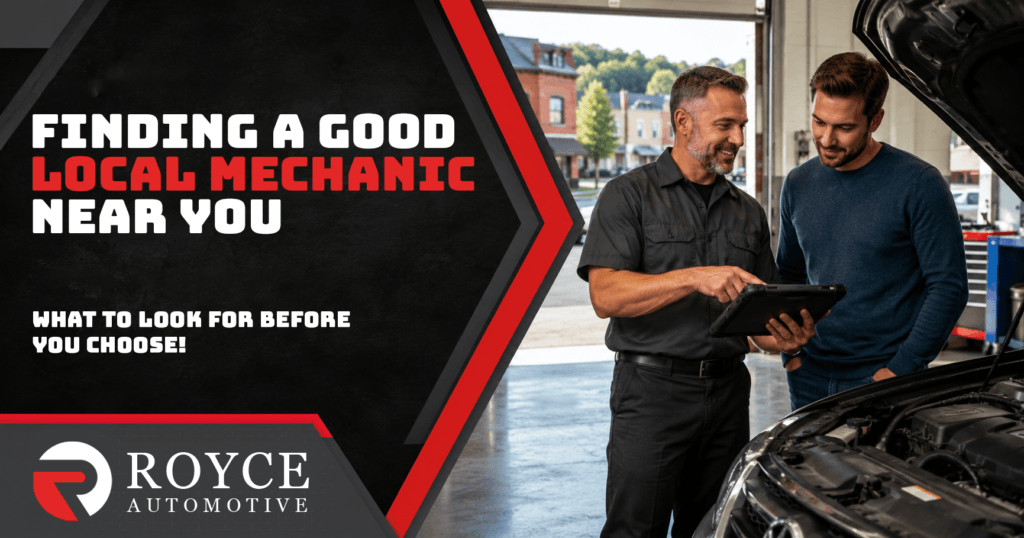
Choosing a repair shop in Lancaster, PA can feel like a gamble. Will they listen to your concerns? Inspect the vehicle thoroughly? Explain what they find in plain language? Charge a fair price instead of replacing parts that didn’t need it? Here’s how to find a mechanic who checks every one of those boxes — before you actually need one.
12 Ways to Find a Mechanic You Can Actually Trust
- Ask people you trust. Don’t just ask “who do you use” — ask if the shop explained the problem clearly and if the final bill matched the estimate.
- Read local reviews carefully. Look for patterns, not just star averages. How a shop responds to a bad review says a lot too.
- Make sure the shop services your vehicle. Not every shop is equally comfortable with every make, model, or hybrid system.
- Evaluate how they communicate from the first call. A shop that answers questions clearly before you’re a customer usually communicates well after, too.
- Demand a proper diagnosis. A trouble code points to a system, not a confirmed bad part. A good shop tests before it replaces.
- Request a written, itemized estimate. Parts, labor, fees, and taxes should be broken out separately before any work begins.
- Compare value, not just price. The cheapest quote isn’t always the best deal — compare parts quality, diagnostic time, and warranty too.
- Ask what’s urgent and what can wait. A trustworthy shop separates safety-critical repairs from ones that can be scheduled later.
- Clarify the warranty. Ask how long parts and labor are covered, mileage limits, and what’s excluded.
- Start small. Try a shop for routine maintenance — an oil change or inspection — before trusting them with a major repair.
- Choose a convenient location. A great shop nearby beats a great shop 45 minutes away.
- Build the relationship before you need it. The best time to find a mechanic isn’t when you’re stranded on the side of the road.
Red Flags to Watch For
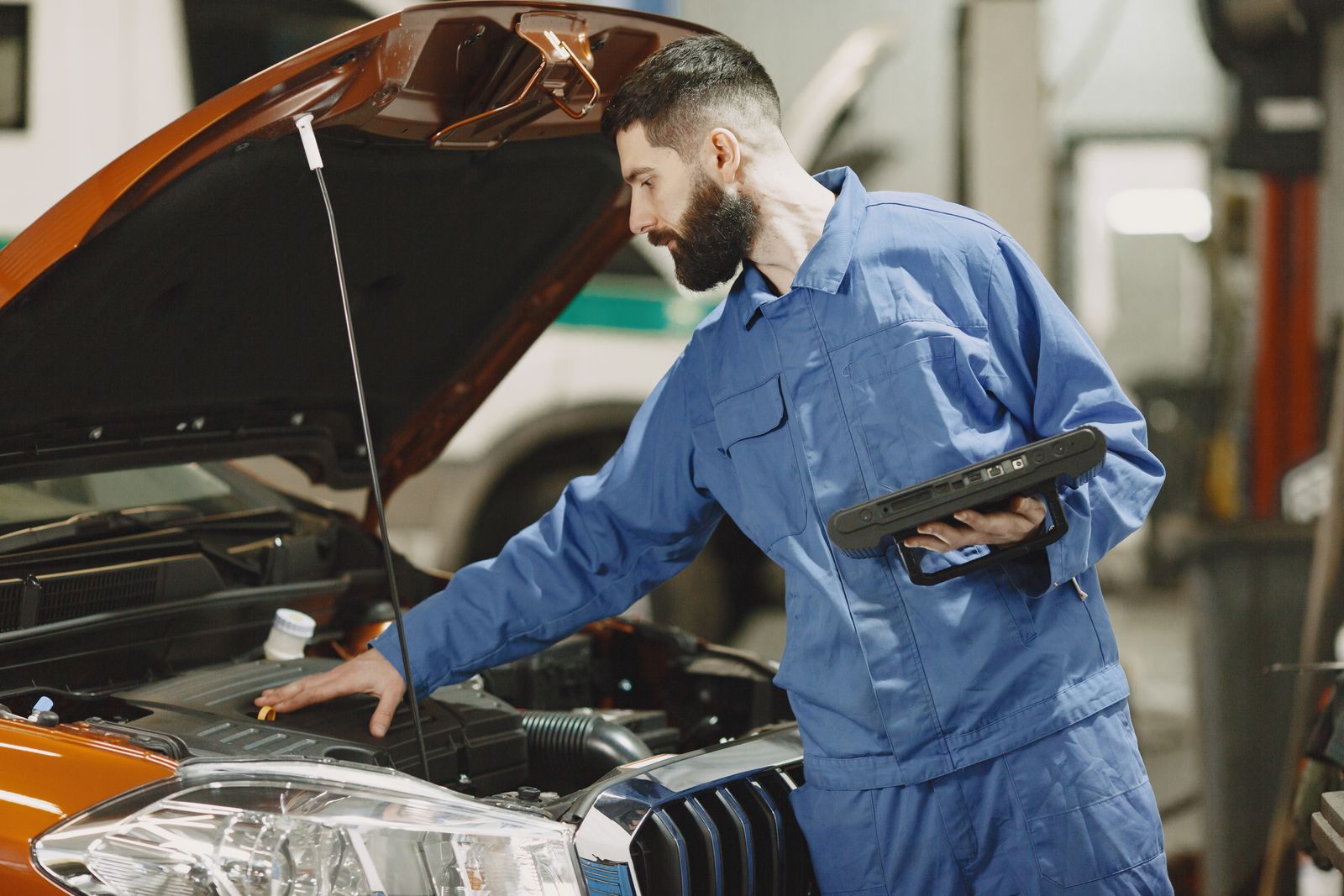
A few warning signs are worth paying close attention to: refusing to explain a diagnosis, pressuring you to approve work on the spot, replacing parts without testing first, or getting defensive when you ask reasonable questions. Any one of these is a good reason to get a second opinion before authorizing work.
Frequently Asked Questions
How can I tell if a mechanic is being honest?
Look for clear explanations, written estimates, a willingness to answer questions, and a habit of getting your approval before doing any additional work.
Should I always choose the shop closest to me?
Proximity matters for convenience, but it shouldn’t outweigh trust and quality. Ideally, look for a shop that’s both close and has a strong local reputation.
Is the cheapest estimate always the best deal?
Not necessarily. A lower price can mean lower-quality parts, incomplete work, or a shorter warranty. Compare what’s actually included before deciding on price alone.
Why do shops charge for diagnostics?
Diagnostics take real technician time and expertise to determine the actual cause of a problem — reading a trouble code is only the first step, not the diagnosis itself.