How to Find an Honest Mechanic in Lancaster, PA
Finding a repair shop shouldn’t come with a nagging worry about being overcharged or sold work you don’t need. Here’s how to spot a genuinely honest mechanic in Lancaster, PA — and the warning signs that tell you to look elsewhere.
9 Signs You’re Dealing With an Honest Shop
- Clear explanations. What’s wrong, how they diagnosed it, what’s urgent versus what can wait, and roughly what it costs — without pressure tactics.
- A written estimate. Parts, labor, fees, and taxes itemized, with any changes explained and approved before work continues.
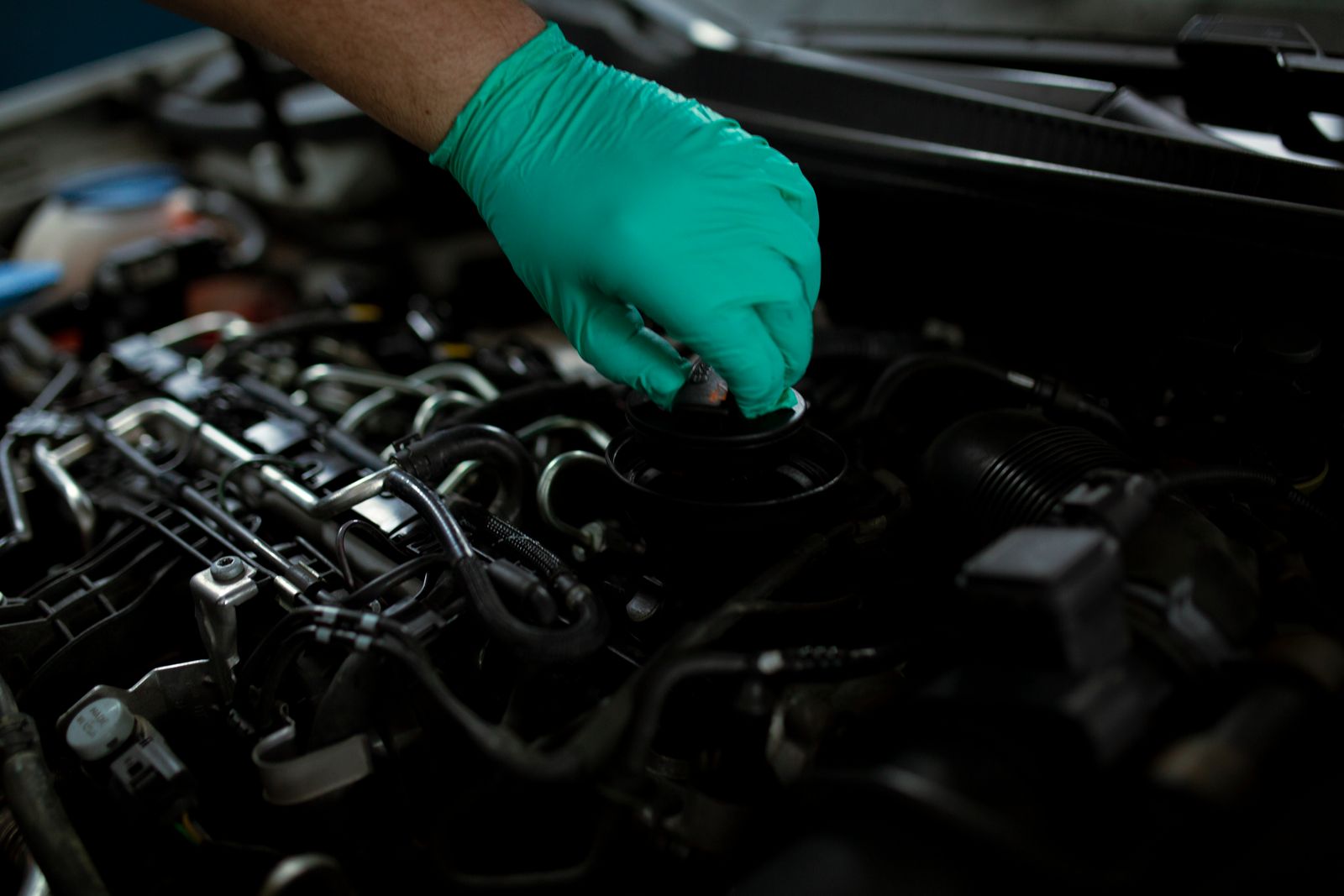
- Willingness to properly diagnose, not guess. A trouble code points to a system, not a confirmed bad part — real testing prevents paying for the wrong fix.
- Reviews worth reading closely. Look past the star rating to comments about honesty, communication, and how warranty issues were handled.
- A shop willing to show you the problem. Worn brakes, leaks, and corrosion can usually be shown directly, or documented with photos.
- Value over the cheapest price. A noticeably lower quote can mean lower-quality parts or guesswork instead of real diagnosis.
- Comfortable with a second opinion. For big-ticket repairs like an engine or transmission, a confident shop won’t discourage you from asking.
- Clear communication throughout. Listening carefully and contacting you before the scope or price of a job changes.
- A relationship built before the emergency. Routine maintenance is the easiest way to find out how a shop treats customers.
Frequently Asked Questions
How can I tell if a mechanic is being honest?
Clear explanations, written estimates, willingness to answer questions, and asking for your approval before doing additional work are all good signs.
Should I get a second opinion from another mechanic?
It’s a good idea for expensive repairs, unclear diagnoses, or when a shop can’t explain their recommendation clearly.
Is it normal for a repair estimate to change?
Yes, when additional damage or new findings come up during the repair. A trustworthy shop explains the change and gets your approval before proceeding.
Does a check engine light code tell you which part is bad?
No. Codes point to a system that needs testing — proper diagnosis determines the actual cause before anything is replaced.